Guide
Write a profile that sounds like you.
Photos, opening lines and how much to share about your life, including disability, if and when you want to. For singles 35 and over.
Photos that feel like a person
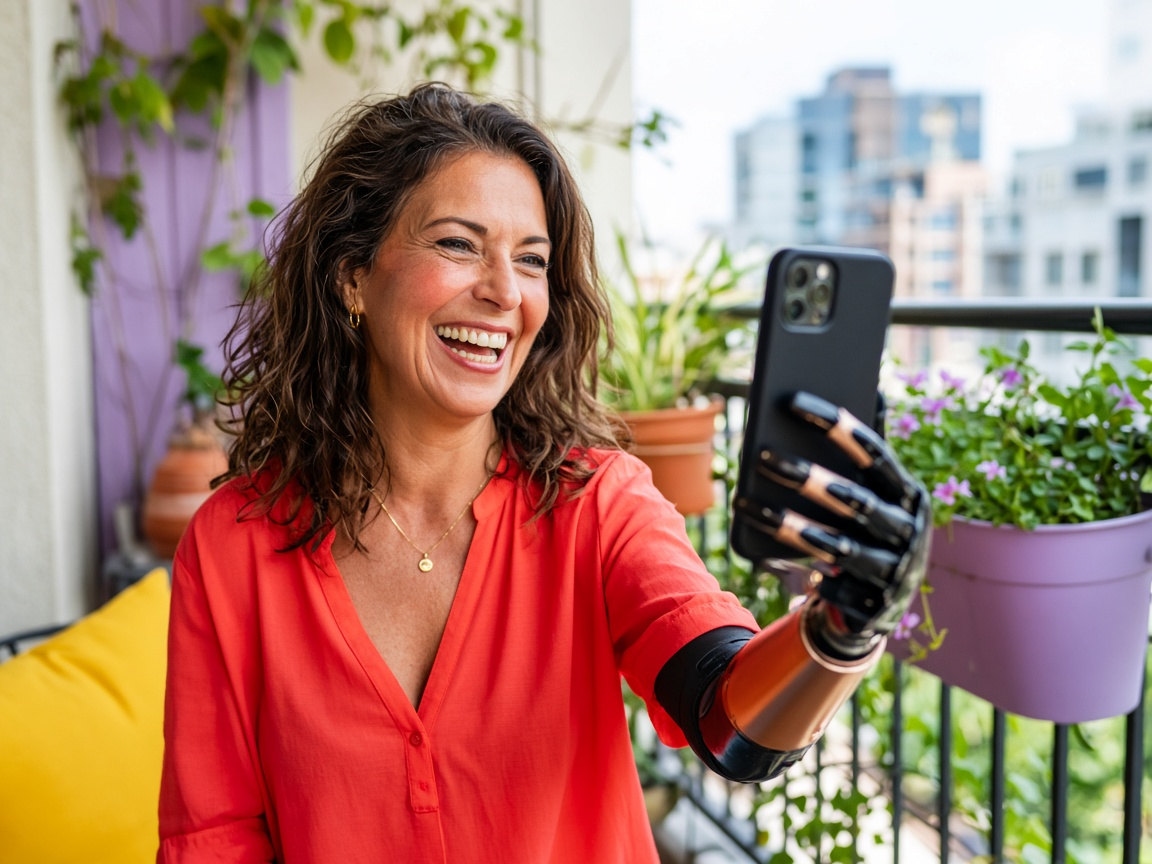
Use recent photos that look like you on an ordinary good day. At least one clear shot of your face, and a couple that show your life: a table, a walk, a hobby, a trip. Avoid heavy filters, a single group shot where nobody can tell who you are, or pictures that are many years old.
If a disability is visible, you can include it naturally — the way you actually show up in the world. You do not have to hide it, and you do not have to make it the only thing in the frame.
Words that invite a reply
A short, specific profile beats a long, generic one. Mention what you are looking for (something serious, dating, or seeing where it goes), a few things you enjoy, and a detail someone can ask about. If you have a dry sense of humour, let it appear.
Opening messages work the same way. Comment on something in their profile, ask a real question, and skip the copy-paste compliment. You are trying to start a conversation, not win a contest.
How much to share about disability
It is your call. Some people put a clear line on the profile so matches begin with context. Some mention it once a chat feels friendly. Some wait until a first date is being planned, because that is when the practical details matter. Any of those can be right.
What usually helps is plain language: enough that the other person is not guessing, not so much that your profile reads like a form. For more on this, see dating with a disability.
A few things to skip
Do not invent a version of yourself you cannot enjoy being on a Saturday afternoon. Do not use your profile to vent about previous dates. And do not feel you have to fill every box on day one — you can add photos and edits as you go (free memberships have some limits on edits; VIP and VIP+ do not).
Sound like yourself.
Create a profile, add a couple of photos, and start matching.
Create your profile